The best online fitness resource you'll ever need. We filter out the BS to ensure you meet your health and fitness goals!
The best online fitness resource you'll ever need. We filter out the BS to ensure you meet your health and fitness goals!
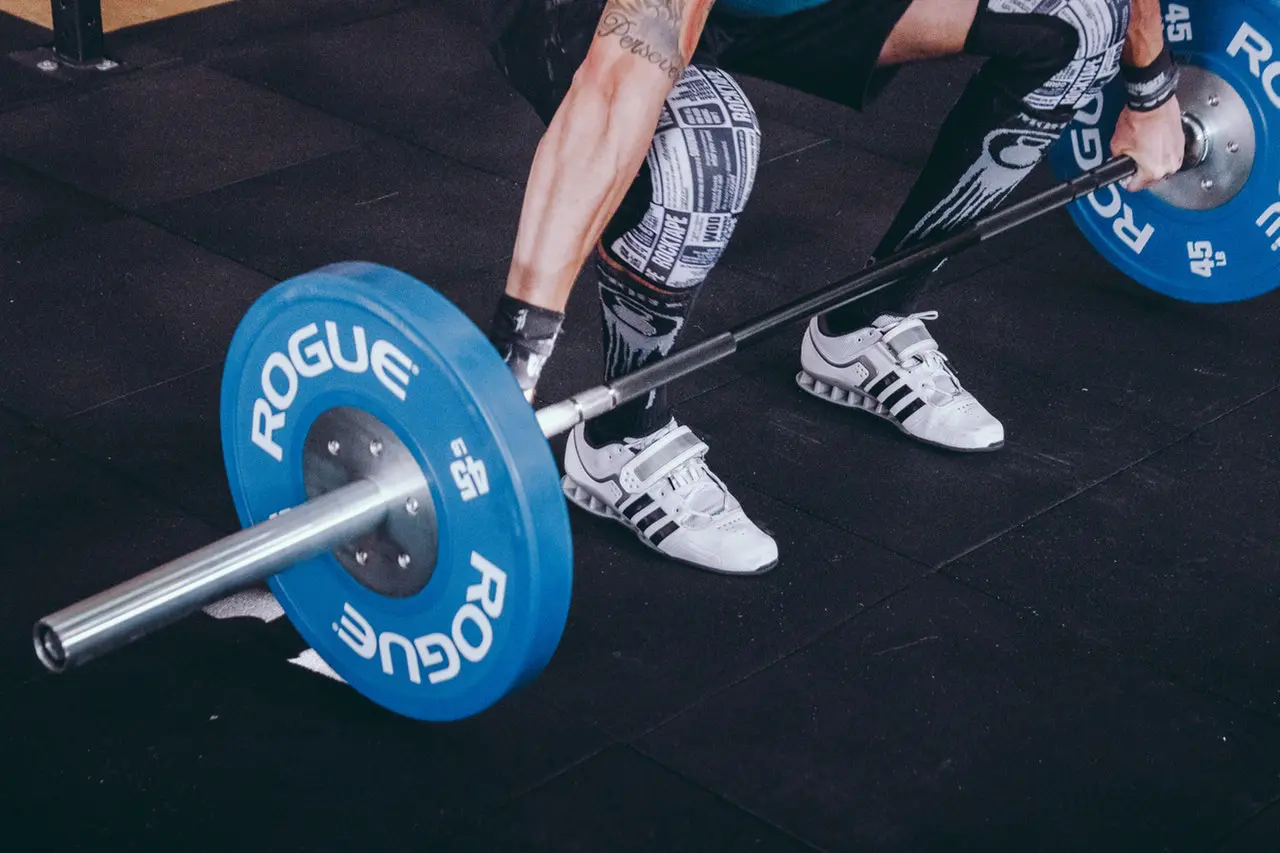
The fitness industry has seen huge changes in the last decade, with boutique fitness gyms, spinning studios, yoga + Pilates studios and CrossFit boxes (to name just a few) popping up everywhere.
CrossFit burst onto the scene about ten years ago and from day one has been one of the most polarizing exercise modalities. CrossFit has a huge and very loyal following, but it also receives a lot of criticism.
Is this criticism warranted?
With this article we hope to provide a balanced and unbiased account of CrossFit. I will assess the pros and cons and delve into who can benefit most from this style of training.
CrossFit, to the unexperienced, can seem like a cult movement. There are daily workouts, the gym is referred to as a box, members adopt their own language and form part of this new community.
CrossFit is a high-intensity exercise program that combines elements of Olympic Weightlifting, Gymnastics and metabolic conditioning. Typically exercises from these modalities will be combined into what is known as a “Workout of the Day” (or WOD for the initiated).
For a concise definition of CrossFit, it is best to go to the source. According to the CrossFit website:
CrossFit is constantly varied functional movements performed at high intensity. All CrossFit workouts are based on functional movements, and these movements reflect the best aspects of gymnastics, weightlifting, running, rowing and more.
CrossFit have not reinvented the wheel, however there are a couple of things worth observing from this definition. One is the term functional.
Functional training has become a real buzzword in past years, but what do we actually mean by functional?
Functional training is typically defined as a style of training with a focus on movement patterns that have a purpose. This purpose can be related to simple everyday activities – walking, sitting, squatting to pick up something heavy, carrying a baby, or alternatively preparing to participate in a sport such as football or tennis. Functional training develops strength, flexibility, mobility, and agility with a specific goal in mind. For most, the practical application of functional training is to make everyday activities easier to complete.

Functional workouts are usually composed of compound exercises, such as squats, lunges, push-ups deadlifts. A compound exercises requires more than one group of muscles to work together. These compound movements translate into everyday movement patterns – pulling, pushing, squatting, hinging, rotating- in a more effective way than exercises that isolate one muscle group such as a bicep curl.
CrossFit includes a lot of functional movements but is not solely defined as functional training. Functional fitness as a concept grew out of the CrossFit movement.
CrossFit is a high-intensity conditioning program, the workouts are intense, and their website doesn’t try and sugarcoat this!
It must be understood that [CrossFit] workouts are extremely demanding and will tax the capacities of even the world’s best athletes.
CrossFit keeps you entertained, the exercises vary enormously (fantastic if you like to change things up or get bored easily). A CrossFit workout is typically a combination of: HIIT (high-intensity interval training) weight training, and body weight exercises in a strong workout that can last anywhere from 10 minutes to 45.
The physical benefits of CrossFit are clear for all to see:
Improved overall physical performance

While CrossFit boasts a number of benefits, a quick internet search will also find plenty of criticism. We cannot have a clear view on things without looking at both sides.

Weightlifting is a fantastic way to build up strength and muscle. Regrettably CrossFit markets these lifts to absolute beginners. People new to sport or new to weightlifting for the most part, have not built up a sufficient strength base or familiarity with these movements, which often leads to injuries related to poor form.
Another cause of injury often stems from competition. When it comes to competition, there is a fine line between it being a great motivation tool and a space for inflated egos. Once it crosses this line and people push themselves too far, over train, miscalculate weights, injuries become rife.
Similarly, the timed nature of CrossFit workouts can lead to injury. CrossFit workouts often involve heavy lifting and complex movements in a timed environment. There is a constant desire to go heavier and faster and technique often suffers here leading to poor form and eventually injury.
You might also like: CrossFit vs Orange Theory
In theory anyone and everyone can do CrossFit. Whether you are a serious sofa surfer or an absolute fitness fanatic the workouts can be scaled for you. In other words, CrossFit workouts are designed with enough flexibility to give participants at varying fitness levels the opportunity to modify a similar training regime or workout of the day.
CrossFit can conjure up an image of an extremely strong guy lifting crazy amounts of weights, but pretty much every movement that is part of CrossFit programming can be scaled accordingly. For example, if you haven’t yet conquered a push-up, you can modify the exercise by shifting to your knees.
Some CrossFit boxes now include children’s classes, teen classes and even a senior class for those who do not feel at ease working out in a mixed group.
See also: CrossFit Chest Workouts | All CrossFit Hero WODs

Most CrossFit gyms will divide their classes into three or four sections:
Perhaps you are feeling a little bored of your current workout routine, craving a new challenge, or you just want to see what all the fuss is actually about. You can search the CrossFit database of worldwide affiliates to find your nearest box, with over 13,000 worldwide you should be able to find something near you.
Once you have located your nearest box, contact them and find out when they offer introductory classes. Most boxes offer the first class for free that introduces you to the basics of CrossFit programming.
If you are totally new to CrossFit it is advised to take part in a program for beginners so that you can learn the basic fundamentals and start getting accustomed to the language (there are a lot of acronyms!).
This is how CrossFit classes are usually structured:
One basic rule for beginners: Build into CrossFit gradually.
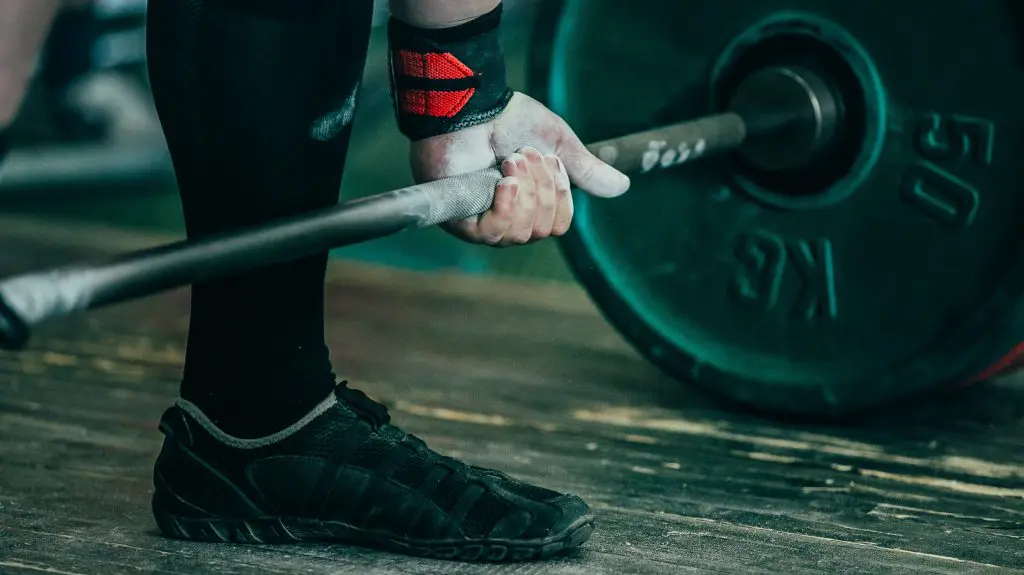
If you are new to CrossFit (or any sport/exercise program) be sure to go at your own pace, don’t life more weight than you are comfortable with. Easing into the program and familiarizing your body with new movement patterns will decrease your risk of injuries.
It goes without saying that CrossFit is a high-impact form of fitness and you must check with your doctor before, particularly if you are new to exercise or live with a health condition.
Try our CrossFit Workout Plans:
Let’s have a look at a few of the most popular acronyms used in CrossFit. (These are the ones that give people the perception that CrossFitters speak another language!)
CrossFit is a great training tool, but in order to garner the most benefits from it you also need to focus on what you do outside of the gym. Doing CrossFit three or four times a week but ignoring other pillars of a healthy lifestyle will only get you so far on your journey. Follow these four approaches below to complement your workouts and to allow you to enjoy long-term results.
Diet plays a key role for both performance and recovery. There is no way of out-exercising bad nutrition. This might be the Zone Diet, the Paleo Diet or something completely different, what is important is that it works for you and is a diet plan that you can follow.
TAKE REST DAYS!! This does not just apply to beginners. Everyone needs to take a day off to let their bodies (and minds) take a little breather, allowing for recovery. This is crucial both for success and injury prevention.
A lack of sleep can translate into decreased performance and recovery for athletes and can lead to a higher risk of injury.
Balancing high-intensity training like CrossFit with lower intensity activities such as gentle hikes, swimming or restorative yoga will help to prevent injury and burnout.