The best online fitness resource you'll ever need. We filter out the BS to ensure you meet your health and fitness goals!
The best online fitness resource you'll ever need. We filter out the BS to ensure you meet your health and fitness goals!

Fasting, including water fasting, has become a popular way for people to improve their health and promote weight loss. But once the water fast is completed, many people want to continue the benefits of ketosis and wonder how to stay in ketosis after a water fast.
It’s a fairly simple process, and here we will provide you with 5 proven methods on how to do exactly that.
A water fast is a type of fasting where an individual consumes only water for a certain period of time, typically ranging from 24 hours to several days. This practice is used for various reasons, such as spiritual, health, or weight loss purposes.
Related: Checkout our Water Fasting Weight Loss Calculator for calculating how much weight you can potentially lose during a water fast.
Whilst water fasting can have some negative health implications, and should only be performed under medical supervision, it can be an effective way to jumpstart ketosis.
Ketosis is a metabolic state in which the body burns stored fat for energy instead of glucose (carbohydrates).
This occurs when there is a low availability of glucose, usually as a result of following a low-carbohydrate diet or fasting, and the liver starts producing ketones to supply energy to the brain and other organs.
The presence of ketones in the blood indicates that the body is in a state of ketosis.
Ketosis has been used for many different conditions or personal reasons, such as weight loss. And has even been investigated for therapeutic purposes, such as for treating certain neurological and metabolic disorders.
Some of the benefits of going into ketosis includes:
If you’ve lived a fairly high carb lifestyle you would be forgiven for struggling to enter a state of ketosis due to the hyper availability and hyper palatability of carbohydrate rich foods.
Because of this, water fasting, is a convenient way to enter a state of ketosis.
If you’re currently going through a water fast, here are 5 steps to stay in ketosis when you’re looking to exit your fast.
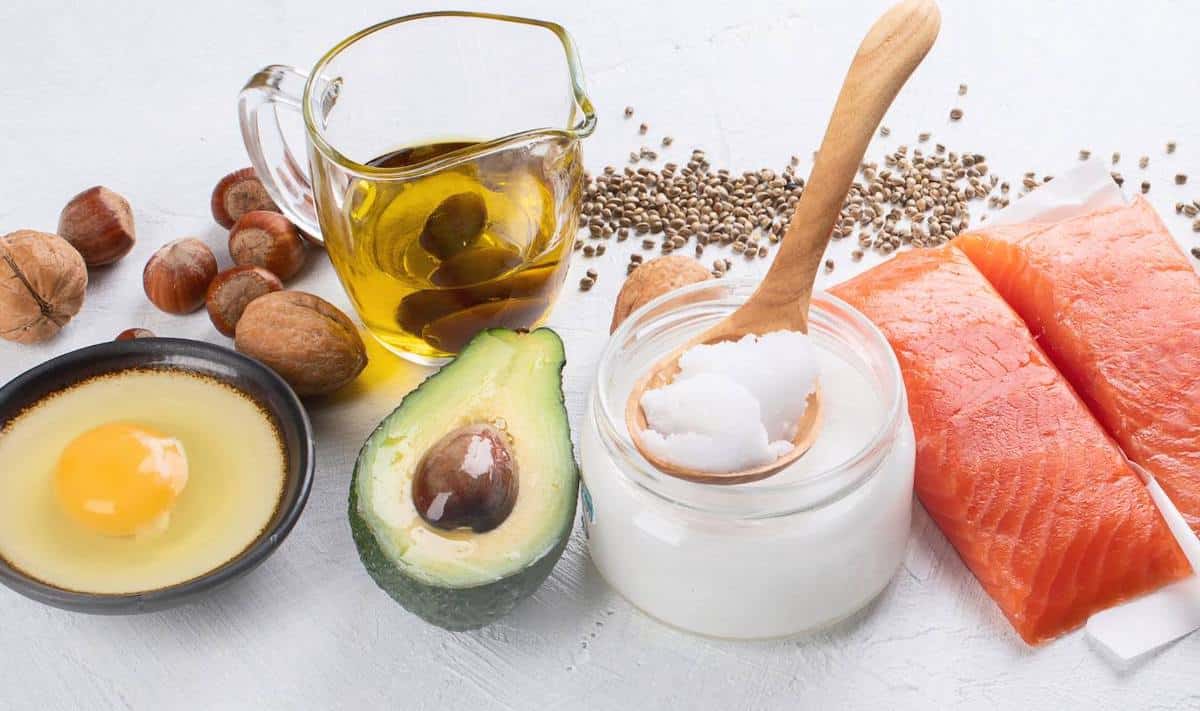
One of the key ways to maintain ketosis after a water fast is to increase your intake of healthy fats as a replacement for carbohydrates.
Foods such as nuts, seeds, avocados, olive oil, and fatty fish are great sources of healthy fats that can provide energy and reduce cravings for carbs.
Avocados in particular are a powerhouse of healthy monounsaturated fats and are one of the easiest ways to add healthy fats to your diet. They are also incredibly versatile, making it easy to incorporate them into a variety of meals.
Try slicing an avocado and adding it to your breakfast or incorporating it into your lunchtime salad. Avocados can also be blended into smoothies, making it an easy way to add healthy fats to your drink..

To stay in ketosis, it’s important to limit carbohydrate intake. Consuming no more than 50-100 grams of carbohydrates per day is recommended to maintain ketosis.
This is because a low-carbohydrate diet allows the body to continue using fat as its primary source of energy, rather than glucose.
As mentioned previously, limiting your carbohydrate intake can be tricky due to the prevalence of carbs in the modern diet. But as they say, fail-to-plan-plan-to-fail. A little preparation can go a long way.
Here are some tips to get you started:
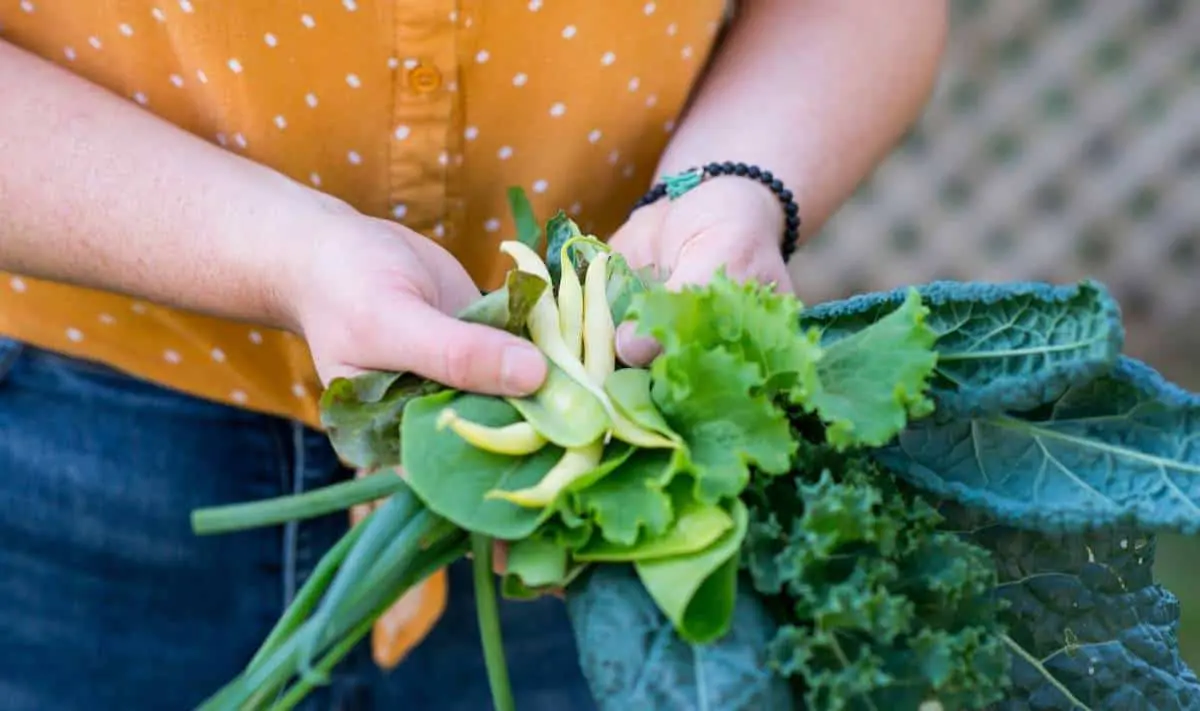
After a short period of simply drinking water, the thought of tracking your food again may seem like quite a lot of work. However it’s important to ensure you’re eating enough nutrient dense food as you start to reintroduce food back into your diet.
Therefore, it’s important that even if you don’t want to track the numbers, you need to ensure you’re eating nutrient dense, low carb, foods, and not simply high fat, high protein.
Simply knowing what nutrient dense foods are, may be a better option than obsessing over numbers. Especially if you want to stay in a healthy state of ketosis after a water fast.
Whole, unprocessed foods such as leafy greens, vegetables, and lean proteins are great choices to ensure that your body is getting the nutrients it needs while staying in ketosis.
And not only that, a study published in the British Journal of Nutrition found that a diet rich in nutrient-dense, low-carbohydrate foods can improve overall health and promote weight loss.
Here’s some tips to ensure your foods are nutrient dense and going to keep you in ketosis after a water fast:
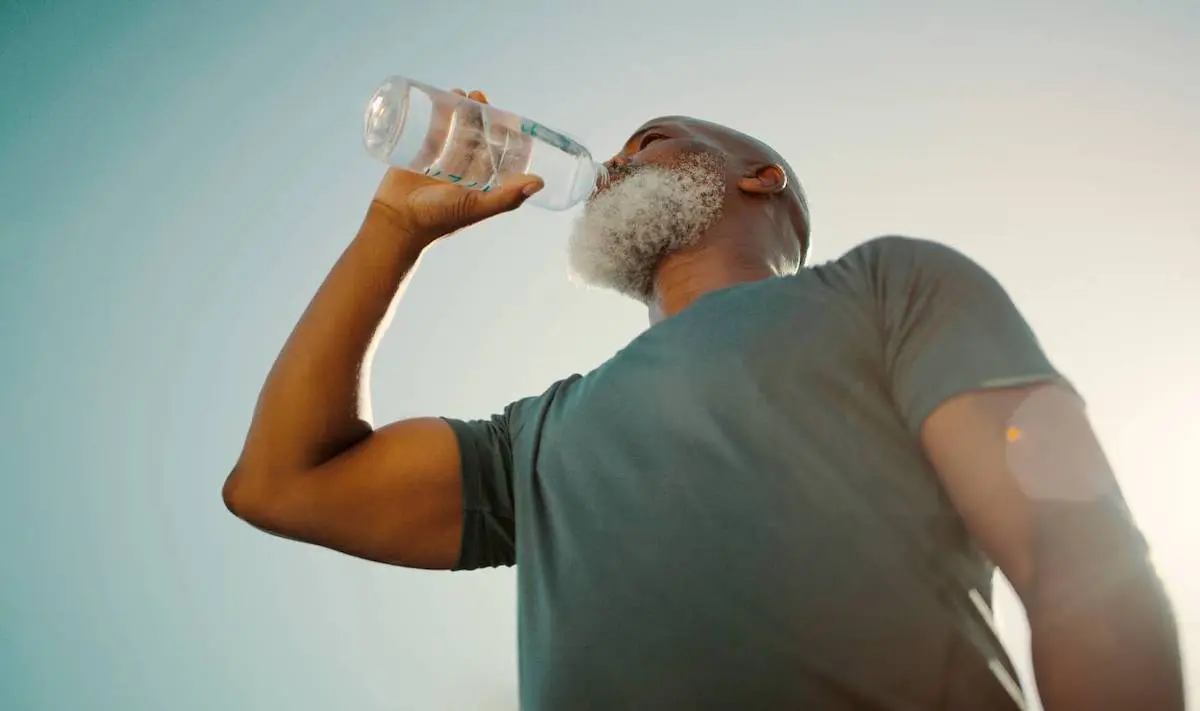
Staying hydrated is important to stay in ketosis after a water fast. It’s crucial for overall health and wellness, but it becomes even more important when following a ketogenic diet.
The body relies on water to help it function optimally, and when in ketosis, it’s even more important to monitor water intake because ketones are excreted through the urine, leading to an increase in fluid loss and a greater need for water.
The increased production of ketones also lead to dehydration, which can have negative effects on the body. Dehydration can cause headaches, fatigue, constipation, and even muscle cramps.
In severe cases, it can lead to a condition called ketoacidosis, which can be life-threatening. Making it that much more crucial to drink enough water to help flush out the ketones and prevent dehydration.
A general guideline is to drink at least eight 8-ounce glasses of water per day, but it’s important to listen to your body and drink more if you feel thirsty.
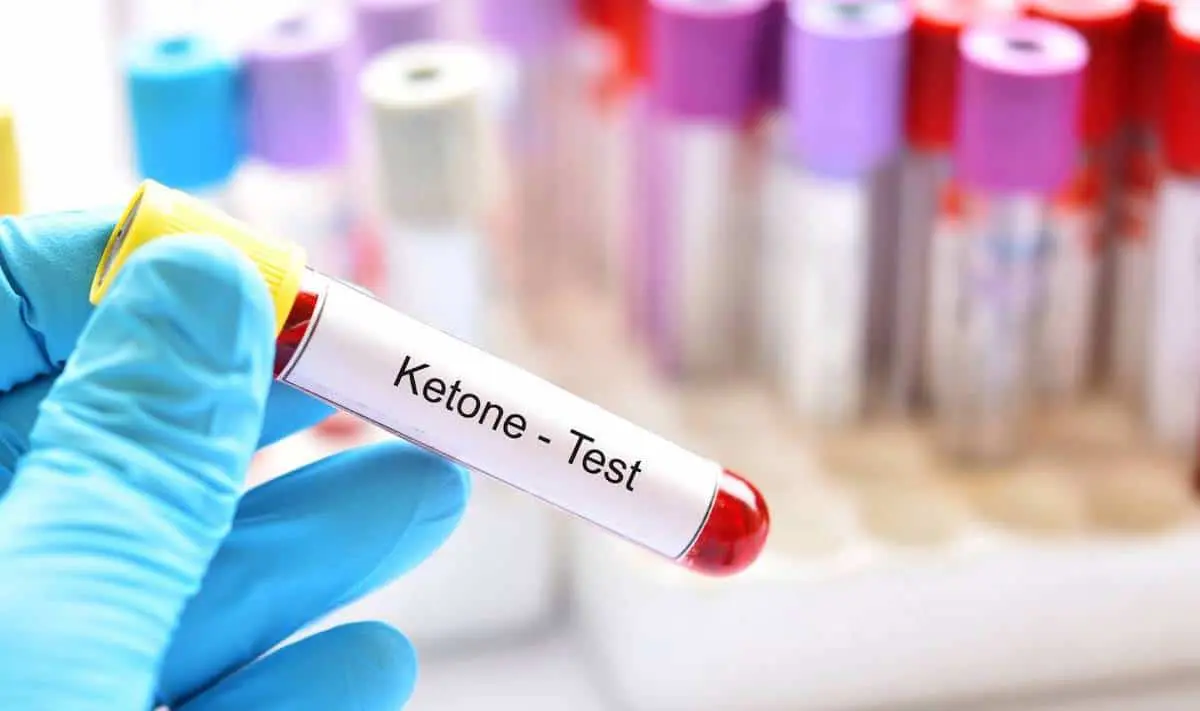
Finally, monitoring your ketone levels is important to ensure that you are staying in ketosis after a water fast. Use a ketone meter or urine strips to monitor your ketone levels and make sure that you are staying in ketosis.
If the levels of ketones in the urine or blood are low, it may indicate that you need to adjust your diet or exercise regimen to get back into ketosis.
Additionally, monitoring ketone levels can help you determine if you need to make adjustments to your water intake, as we mentioned previously staying hydrated is critical for maintaining ketosis.
By monitoring ketone levels, you can ensure that you’re staying on track and making progress towards your goals.
It needs to be said that it’s important to consult a healthcare professional before starting or continuing a water fast or low-carbohydrate diet and to monitor your health regularly while in ketosis.
Additionally, staying in ketosis for an extended period of time can have adverse health effects, such as kidney damage, electrolyte imbalances, and malnutrition, and should be evaluated by a healthcare professional.
A water fast can be a great way to jumpstart ketosis, but it’s important to approach it with caution and under medical supervision.
Once the water fast is completed, following a low-carbohydrate diet, increasing your intake of healthy fats, choosing nutrient-dense, low-carbohydrate foods, staying hydrated, and monitoring your ketone levels can help you maintain the benefits of ketosis.